Trees, Greens & Nature Trail
The Trees of East Hampton Define our Village.
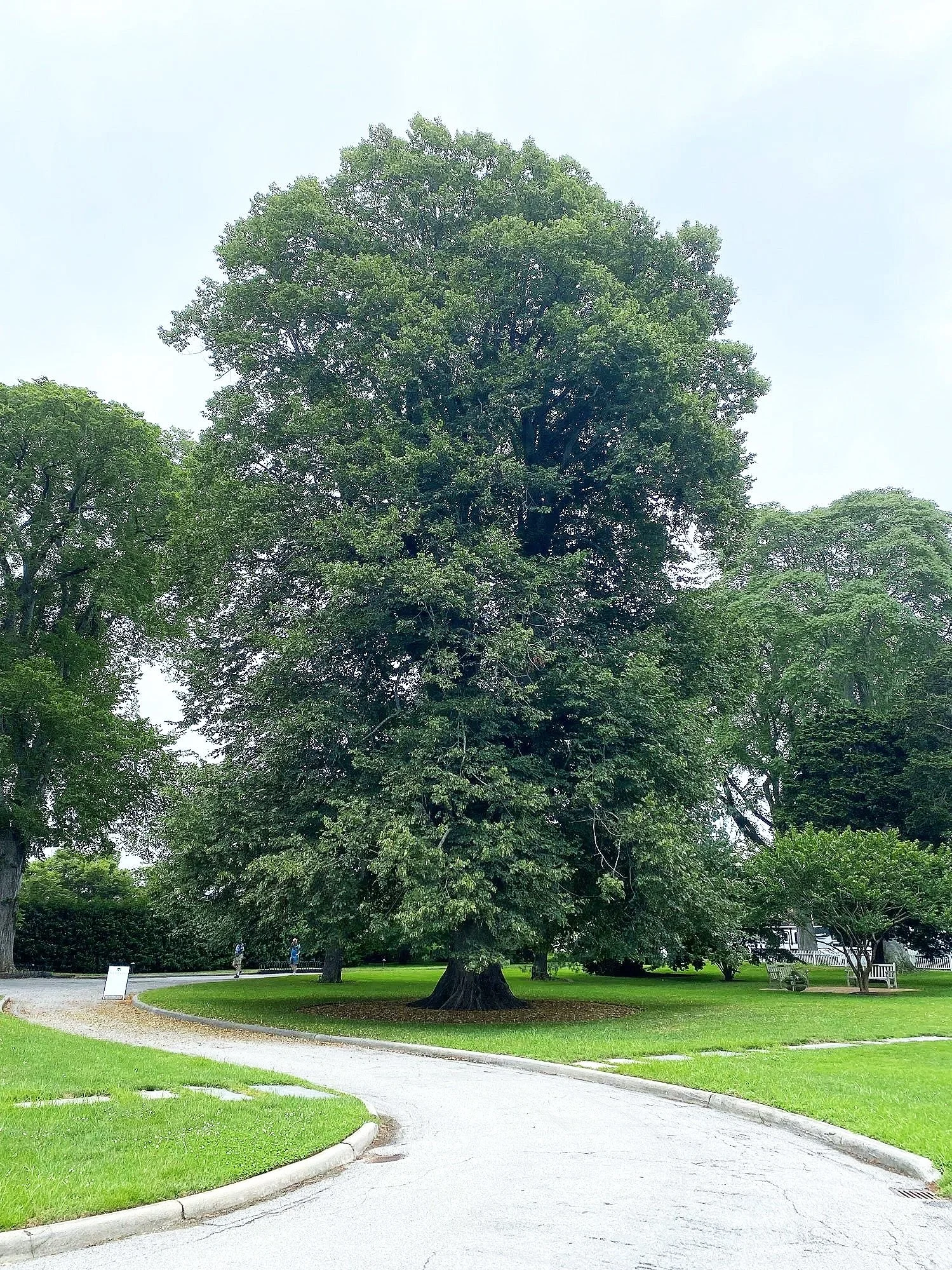
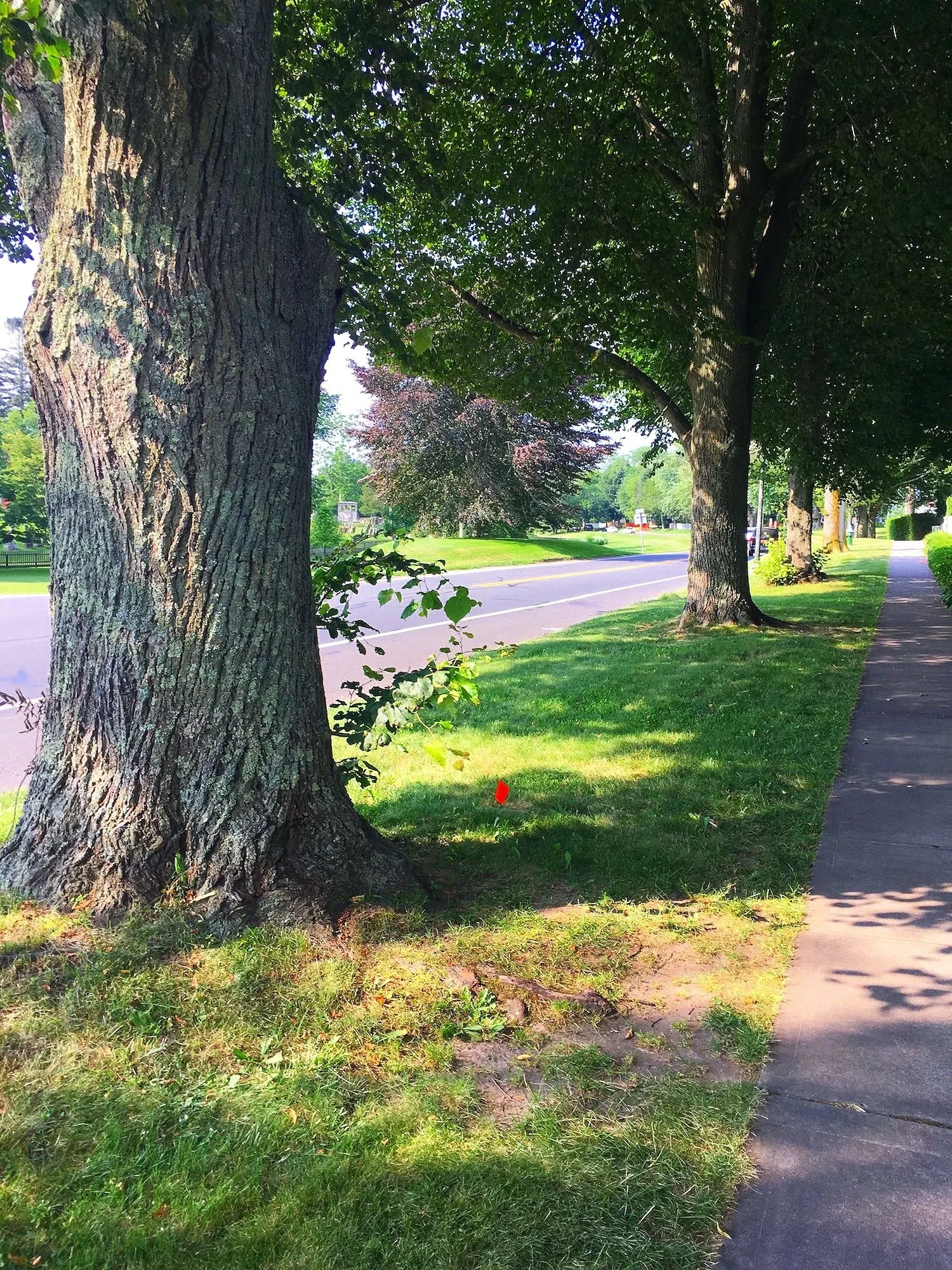
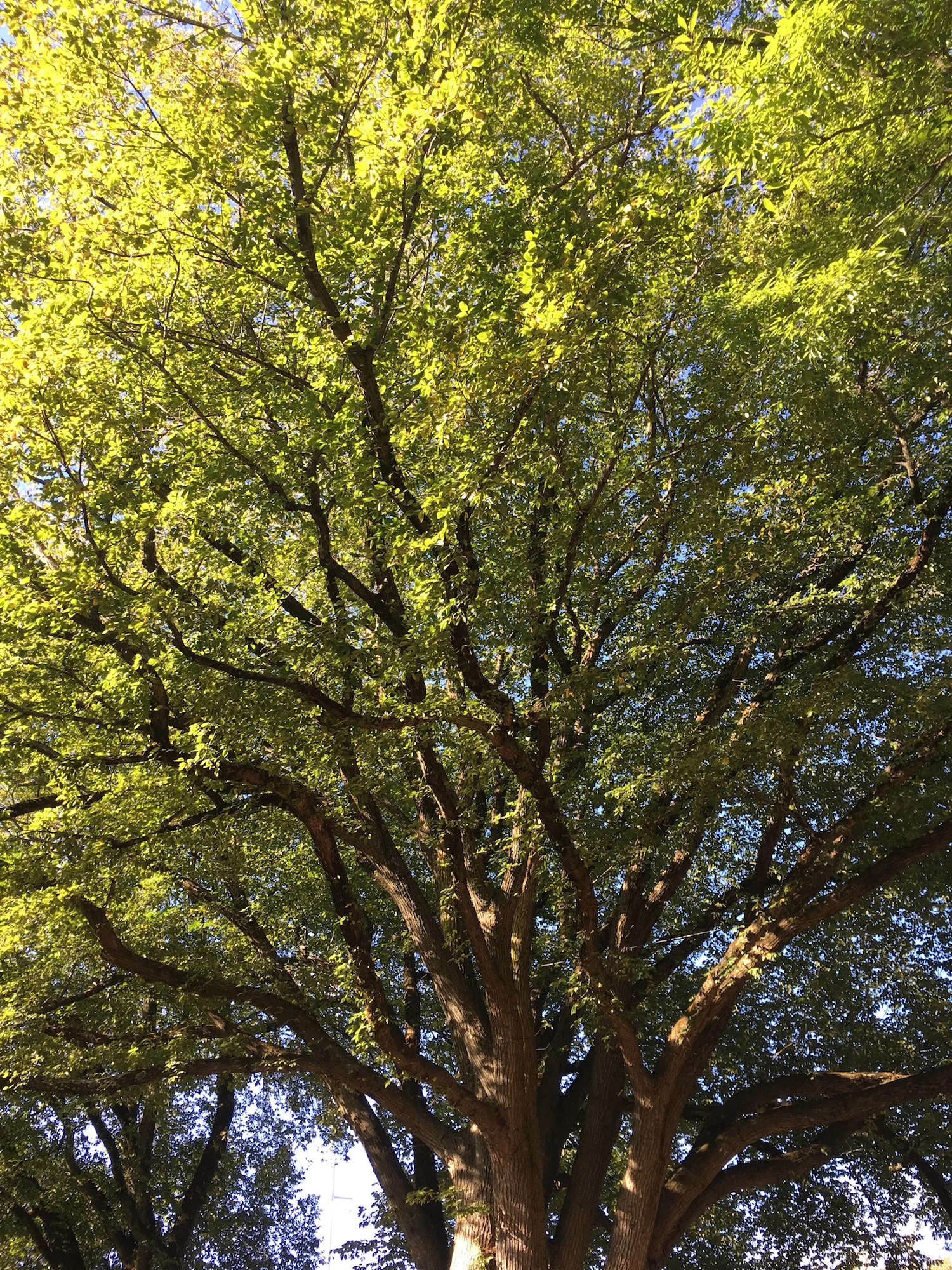
We are graced by the lush greenery of our stately trees – from tree-lined streets to the trees surrounding Town Pond.
Majestic and gigantic trees are one of the most prominent features seen when entering our Village. Our tree environment is ever-changing and we must take care to keep our trees as healthy and as stunning as when the pioneering ladies of the LVIS first planted them. That is our mission. Click here to read an article about the LVIS tree program.
How do we maintain our tree-rich environment?
The LVIS works with East Hampton Village to care for over 3,500 existing trees and to plant new ones. It is likely one of the oldest private-public tree programs in the United States. Learn more:
-
From April through October Tree Committee members tend to tree plaques throughout the Village and clean tree enclosures along Main Street and Newtown Lane. Along the way, these observant ladies are able to provide eyes on the ground as they work among Village trees, reporting any trees that look distressed and following up with necessary treatment.
-
New street trees planted are organically treated by a local landscaping company for three consecutive years.
-
The LVIS will replace any Village street trees that have died. Dead or downed trees are replaced with a variety of species, including lindens, London planes, sawtooth oaks and numerous disease-resistant elms.
-
In the early 1950’s, the LVIS began a vigorous battle against Dutch elm disease (DED) which was devastating elm trees throughout the country. Today the LVIS, in partnership with the Village, watches over 120 elm trees in consultation with Cornell University. Village elms are treated yearly.
-
The LVIS Tree Committee currently maintains approximately 700 Village memorial plaques. Click here for more information and to inquire about Memorial Tree Plaques.
East Hampton’s Village Greens
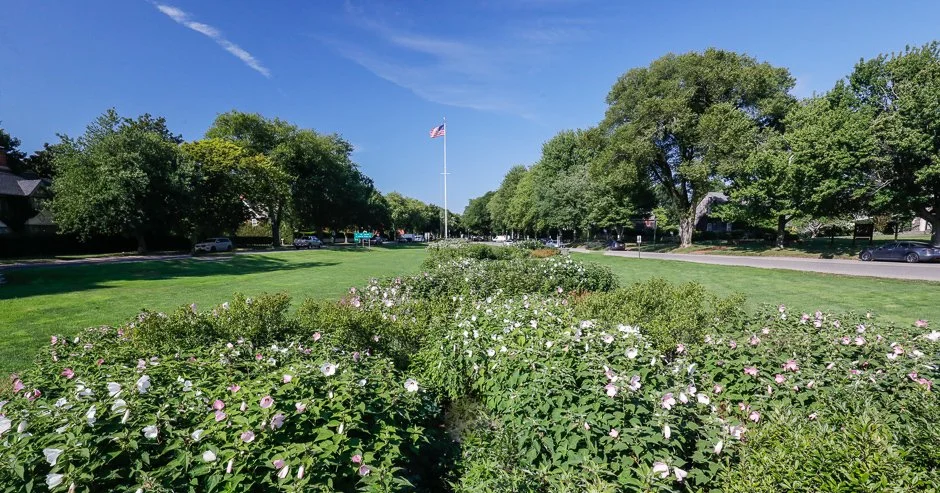
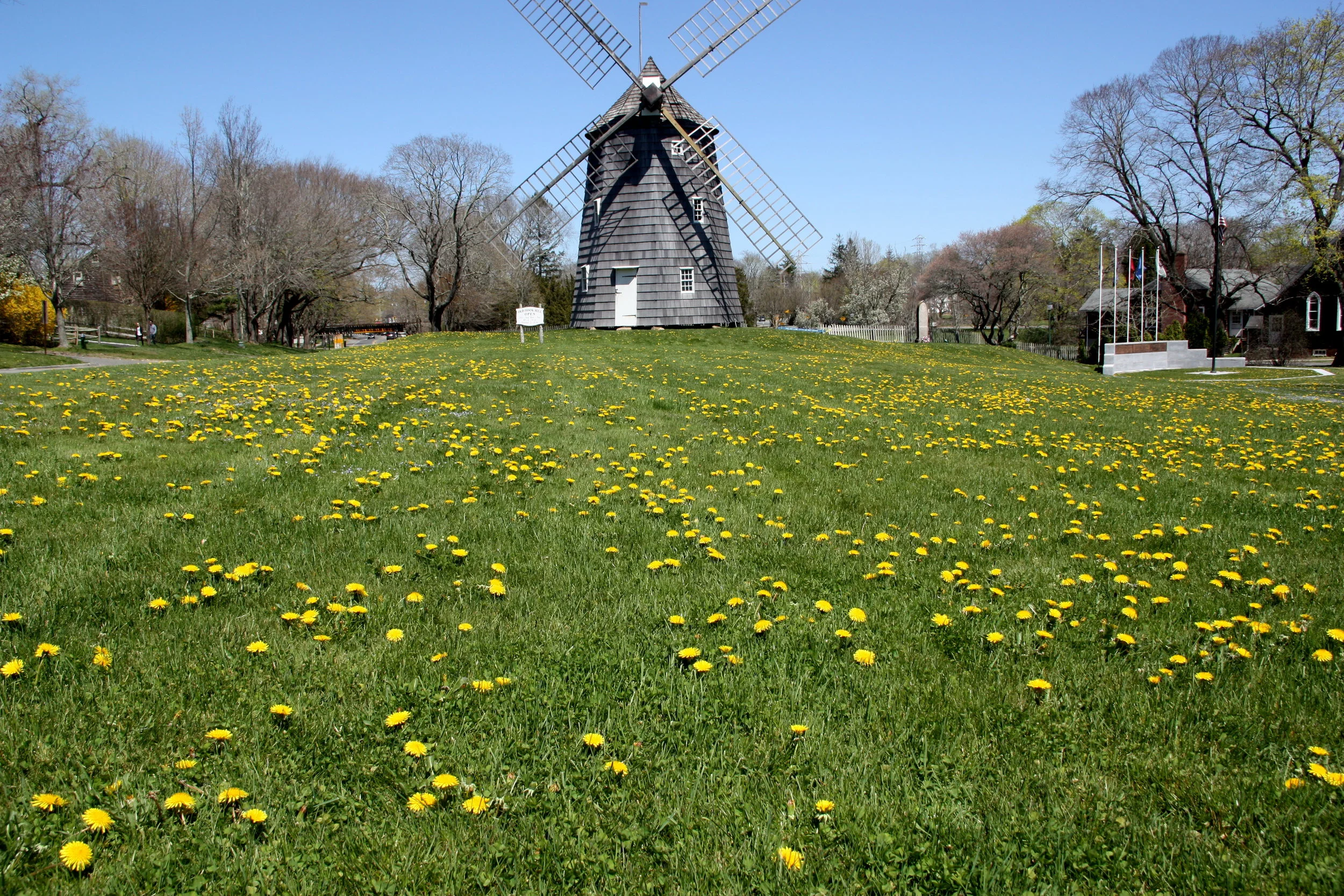
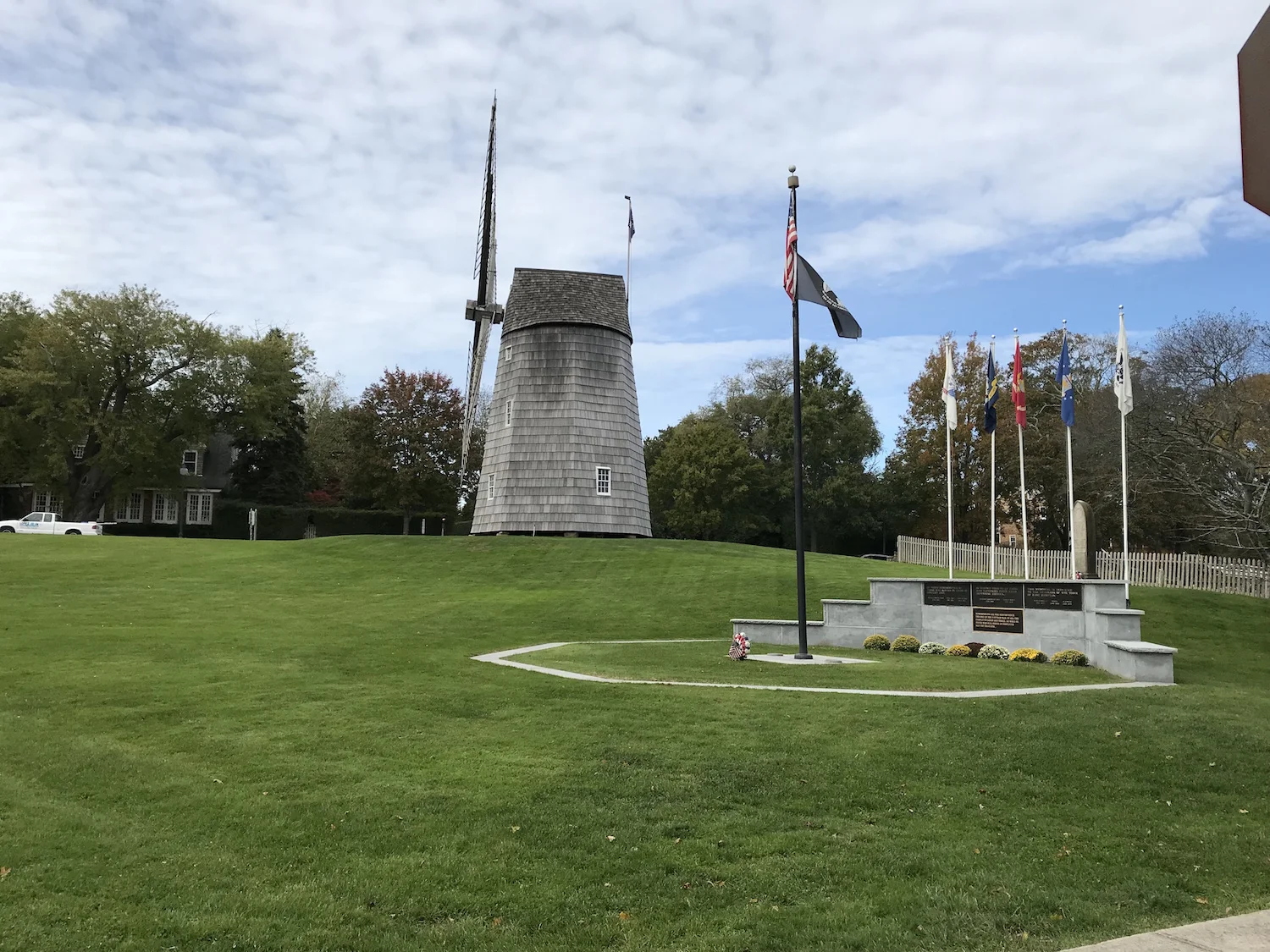
Photo credit Jeff Heatley / AAQLVIS has been maintaining our Village Greens since 1907 in a unique public-private partnership with the Village.
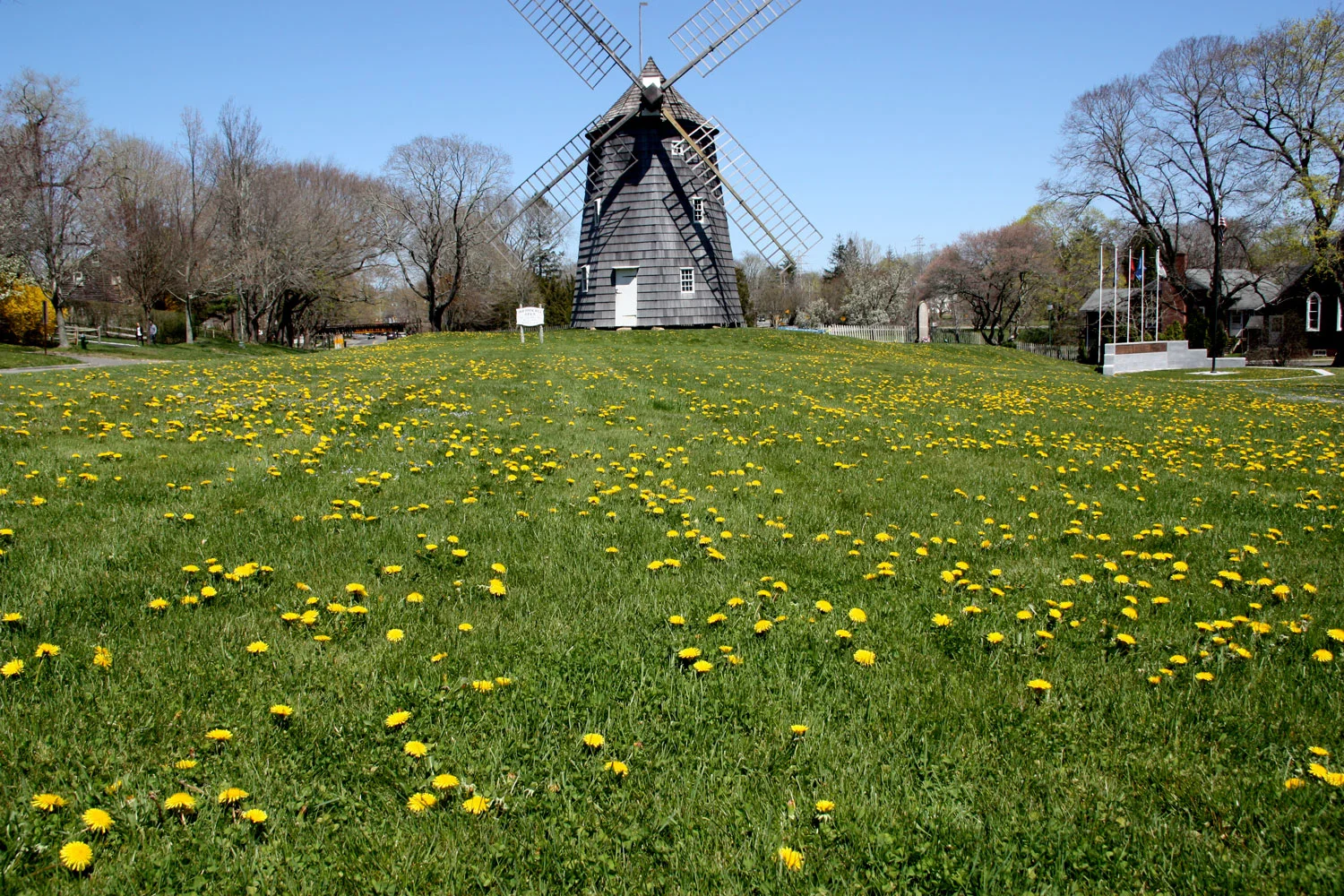
We are in charge of the mowing, irrigation and organic care for all the greens on Main Street, from the town pond and the flagpole area to the Hook Mill Memorial and the large open space at the beginning of Pantigo Road. A significant part of our budget goes toward this community program.
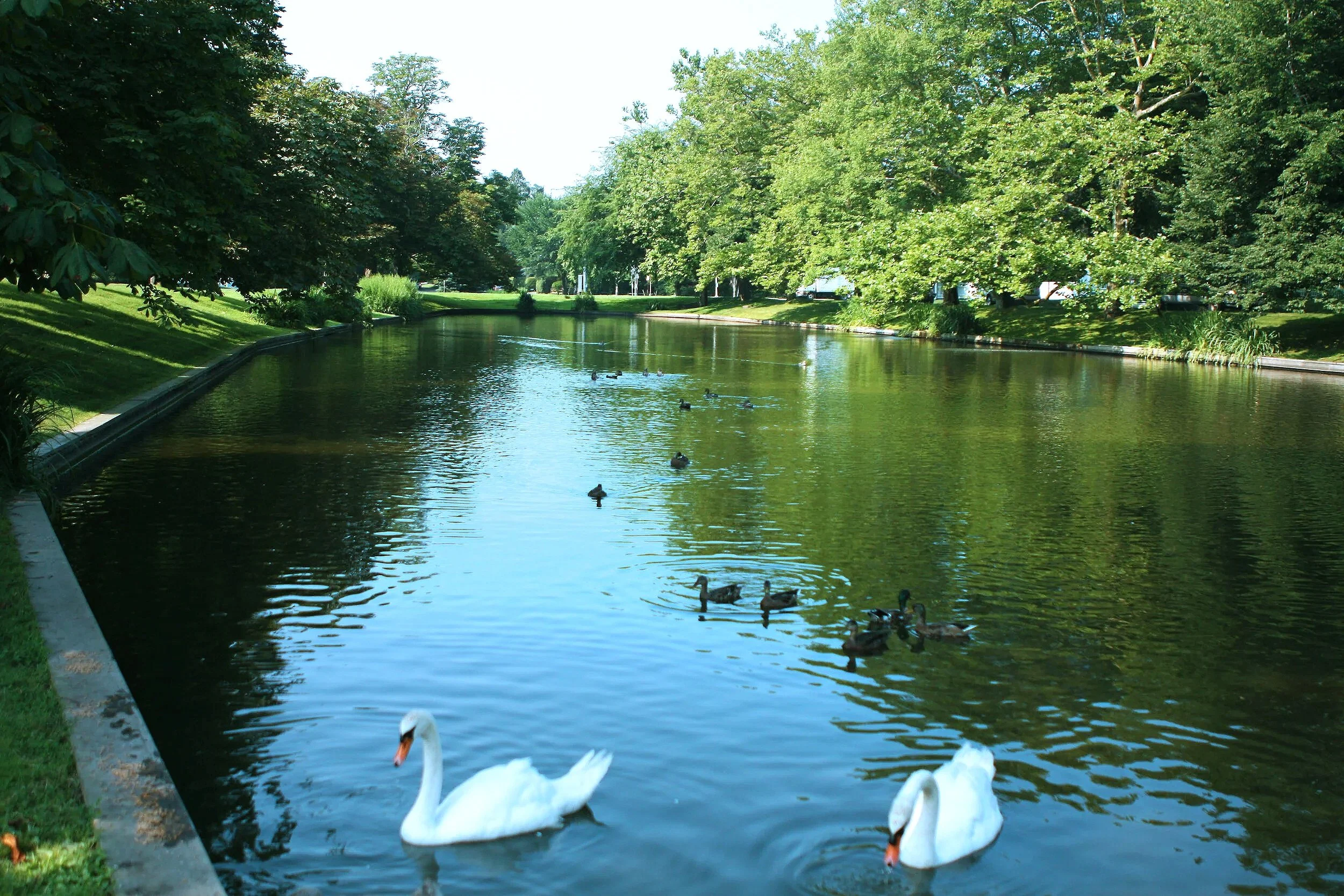
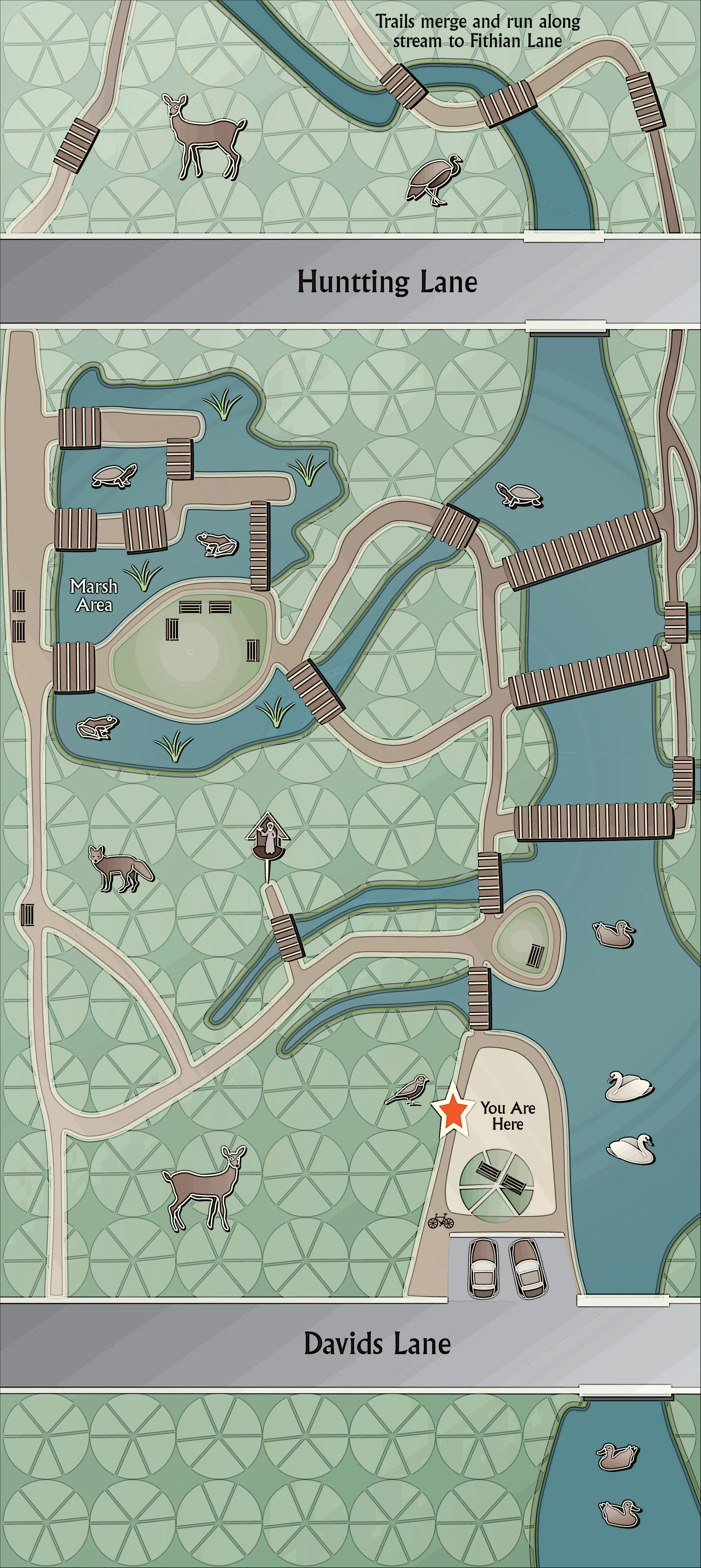
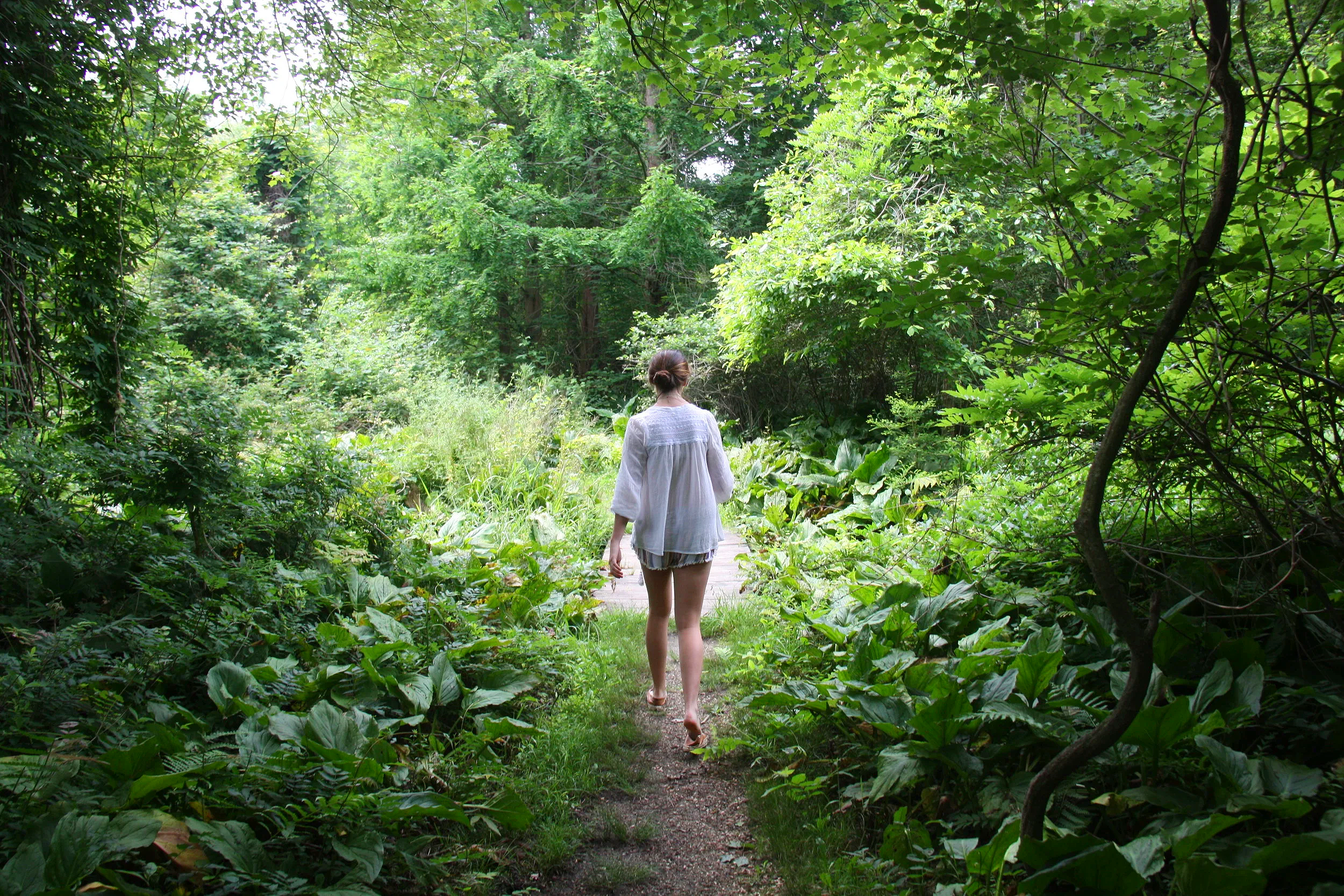
The Nature Trail
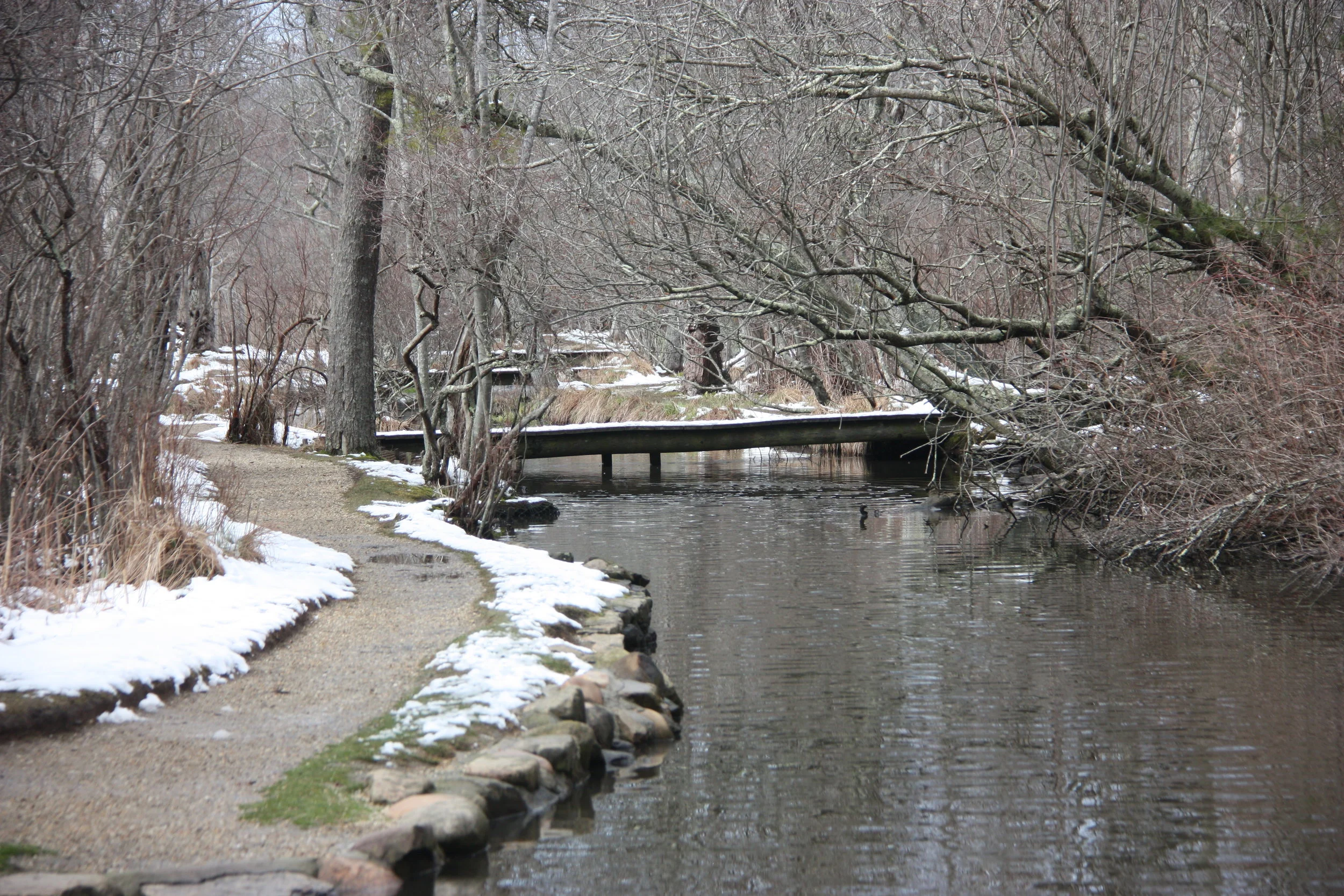
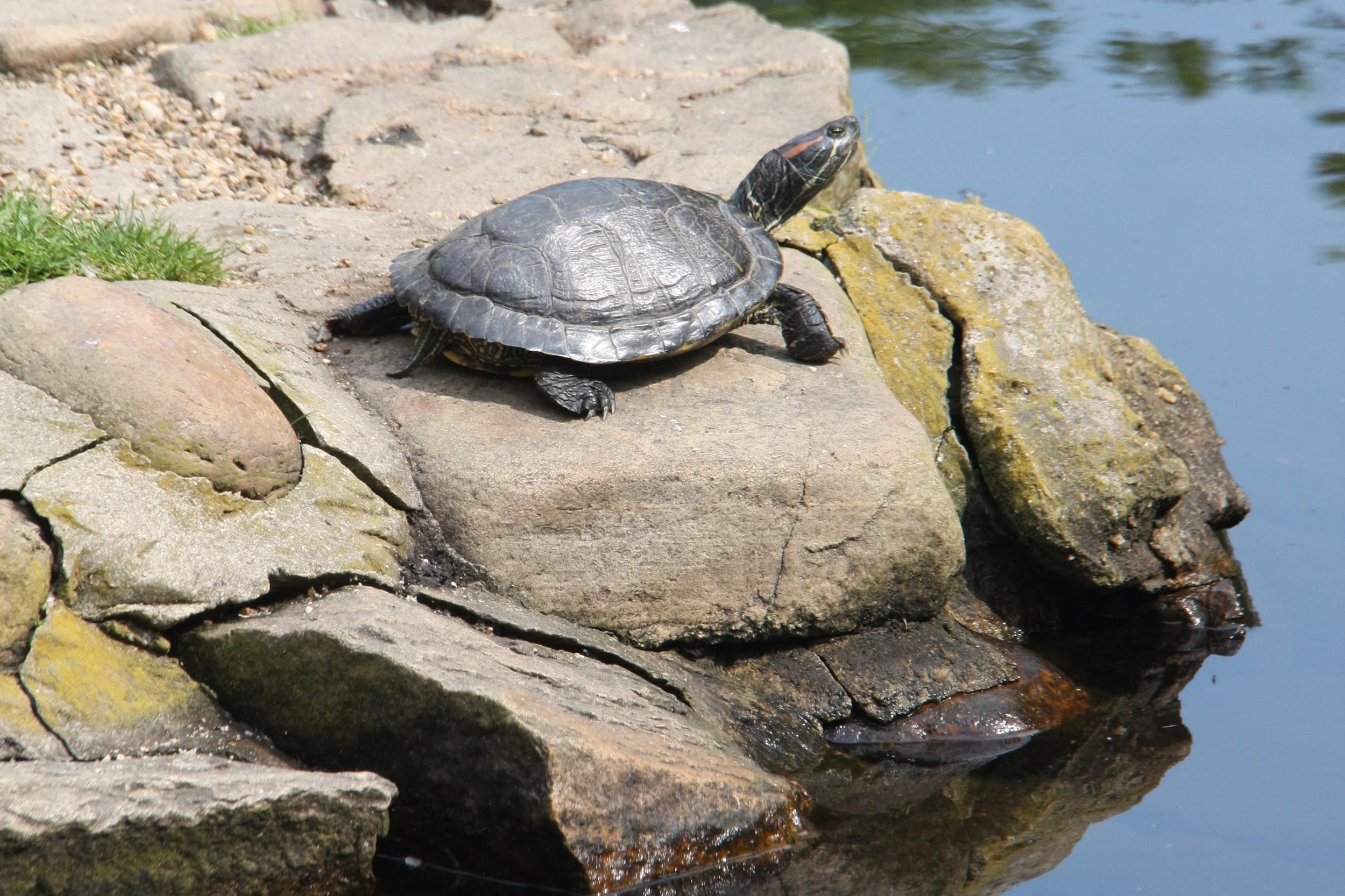
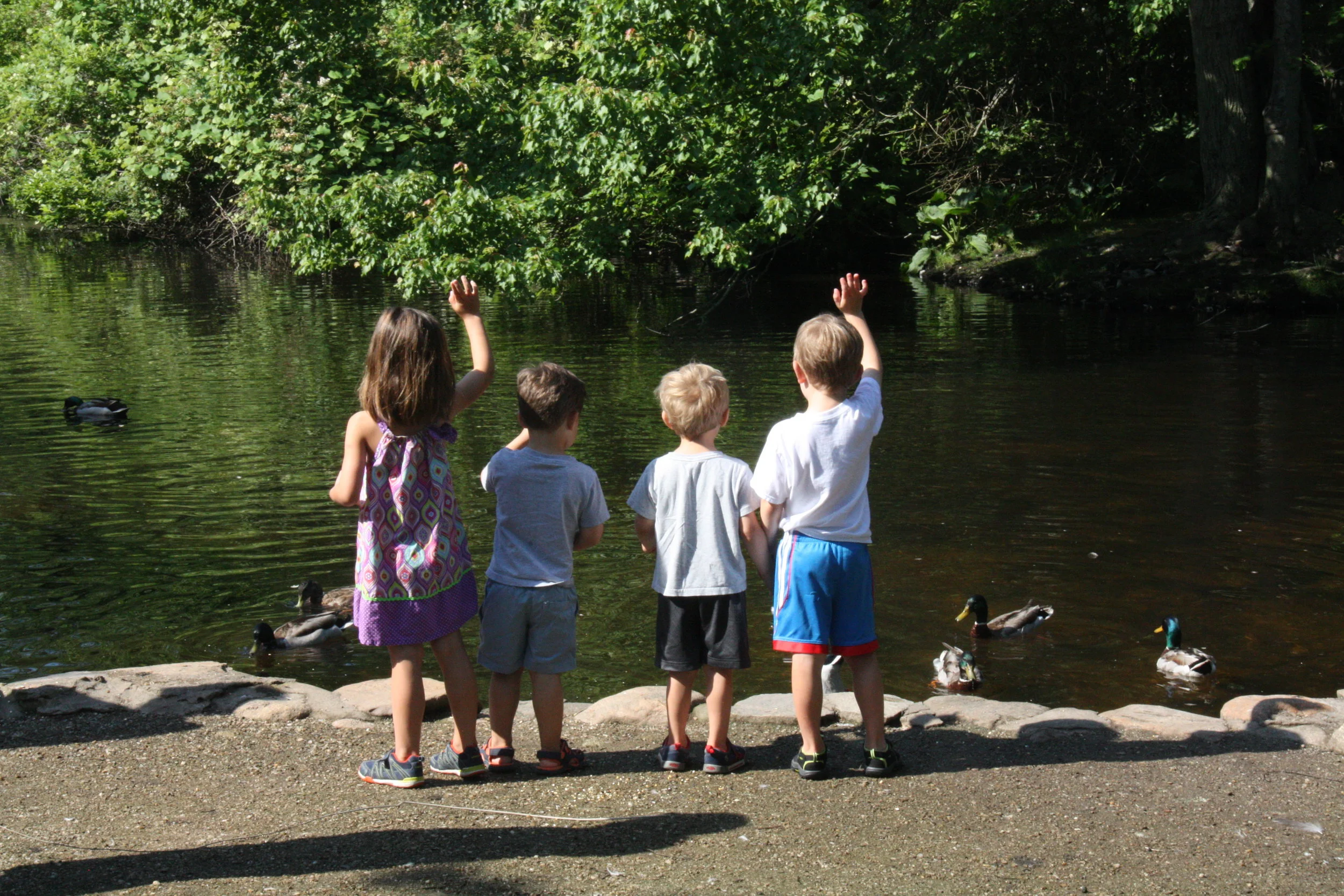
While not officially a sanctuary, we like to think of The Nature Trail as a safe haven for our precious wildlife.
The wildlife that return year after year know that it is here they are protected, wanted and appreciated by generations of villagers. It is our privilege to support this rich tradition.
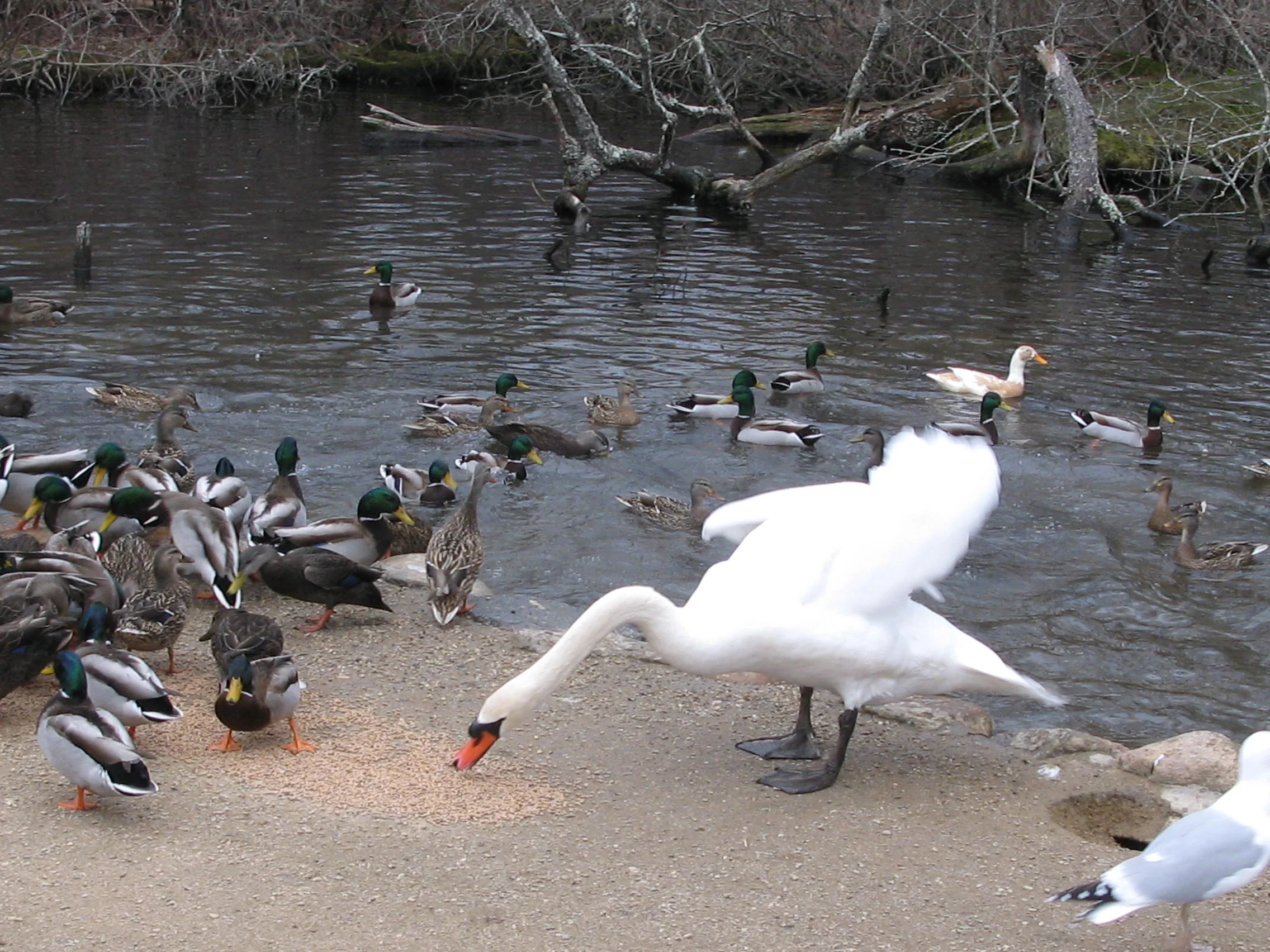
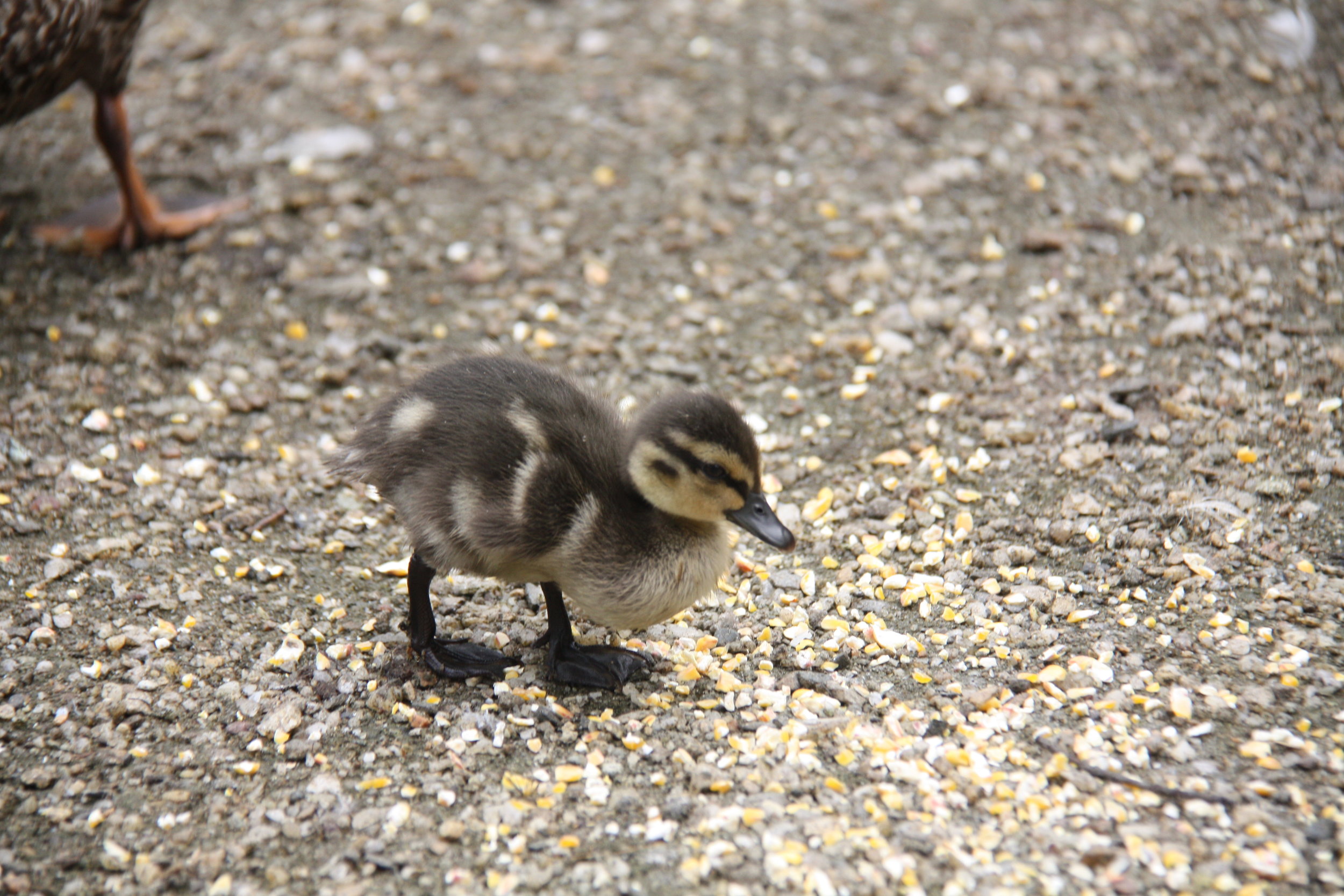
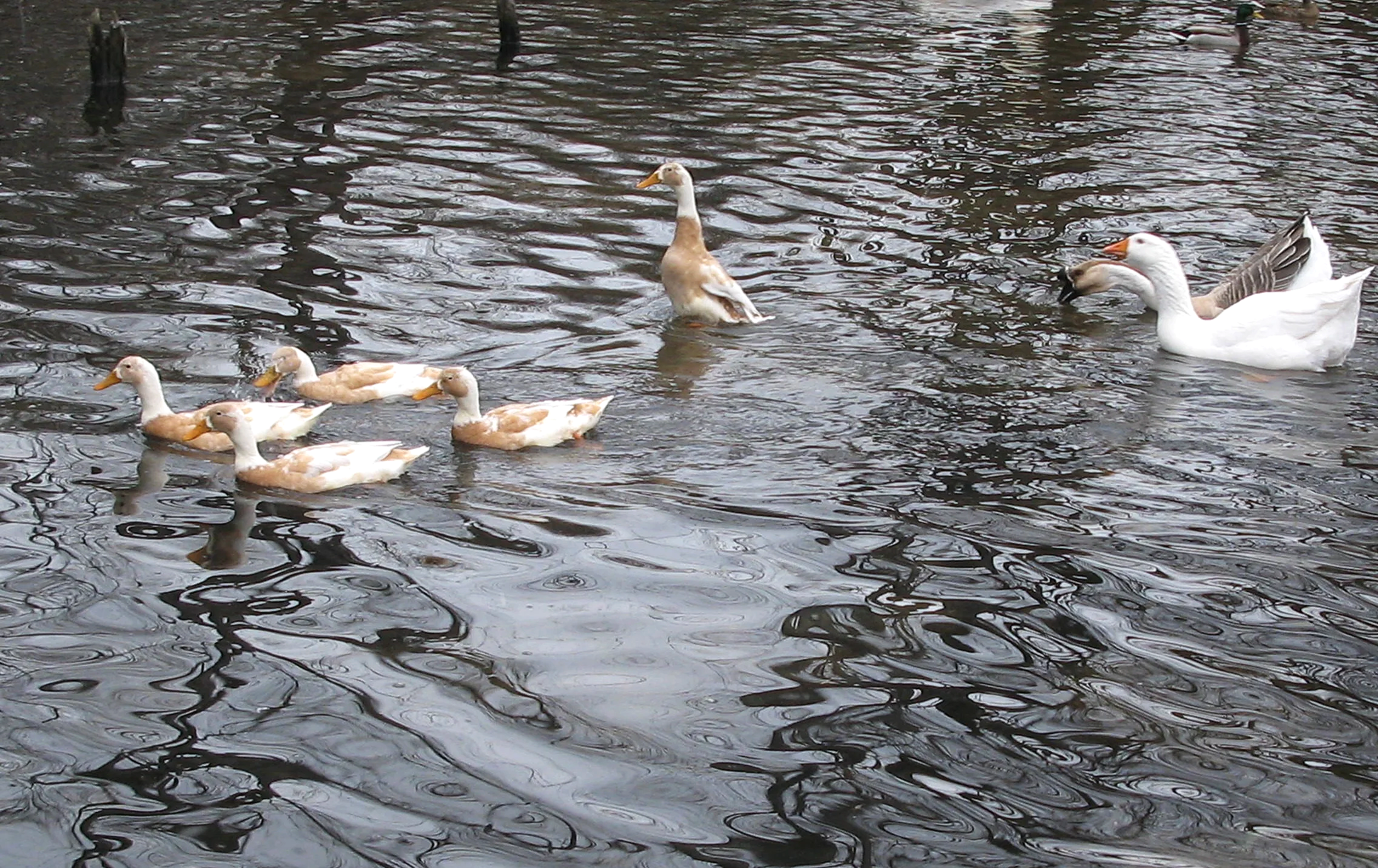
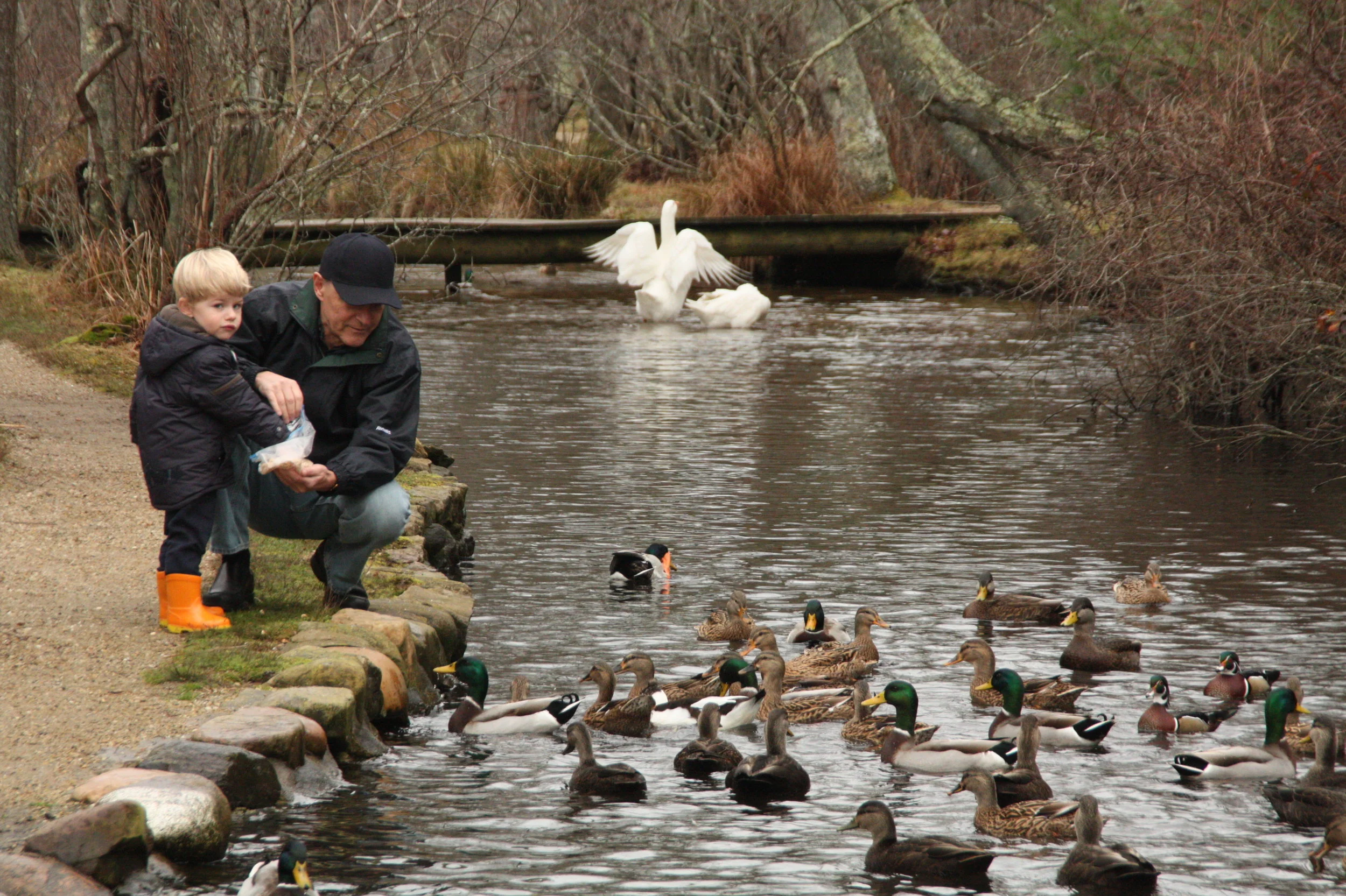
In the heart of the most prime acreage in the Village of East Hampton lies the woodsy 24-acre Nature Trail, or the “Duck Pond” as it is affectionately known. The LVIS is proud to support this revered spot, and the Nature Trail Committee is always welcoming to new nature-loving members. Now a 12-person committee, we put the care and feeding of all of our diverse waterfowl and birds at the forefront of our responsibility. It is in the most frigid months of winter, as well as days of deluge or snow, that our now nearly domesticated ducks need us the most. We encourage nutritional feeding (poultry feed, cracked corn) and try to dissuade tossing of commercial bread products, especially bagels, into the water.
The Duck Pond lies in an area of Hook Pond, locally known as the ‘dreen’, which never fully freezes over and thus we have a year-round, ever-growing population of waterfowl.
We are especially proud of the proliferation of wood ducks (the most dramatic and colorful) in the past few seasons since special nesting boxes have been installed to encourage them.
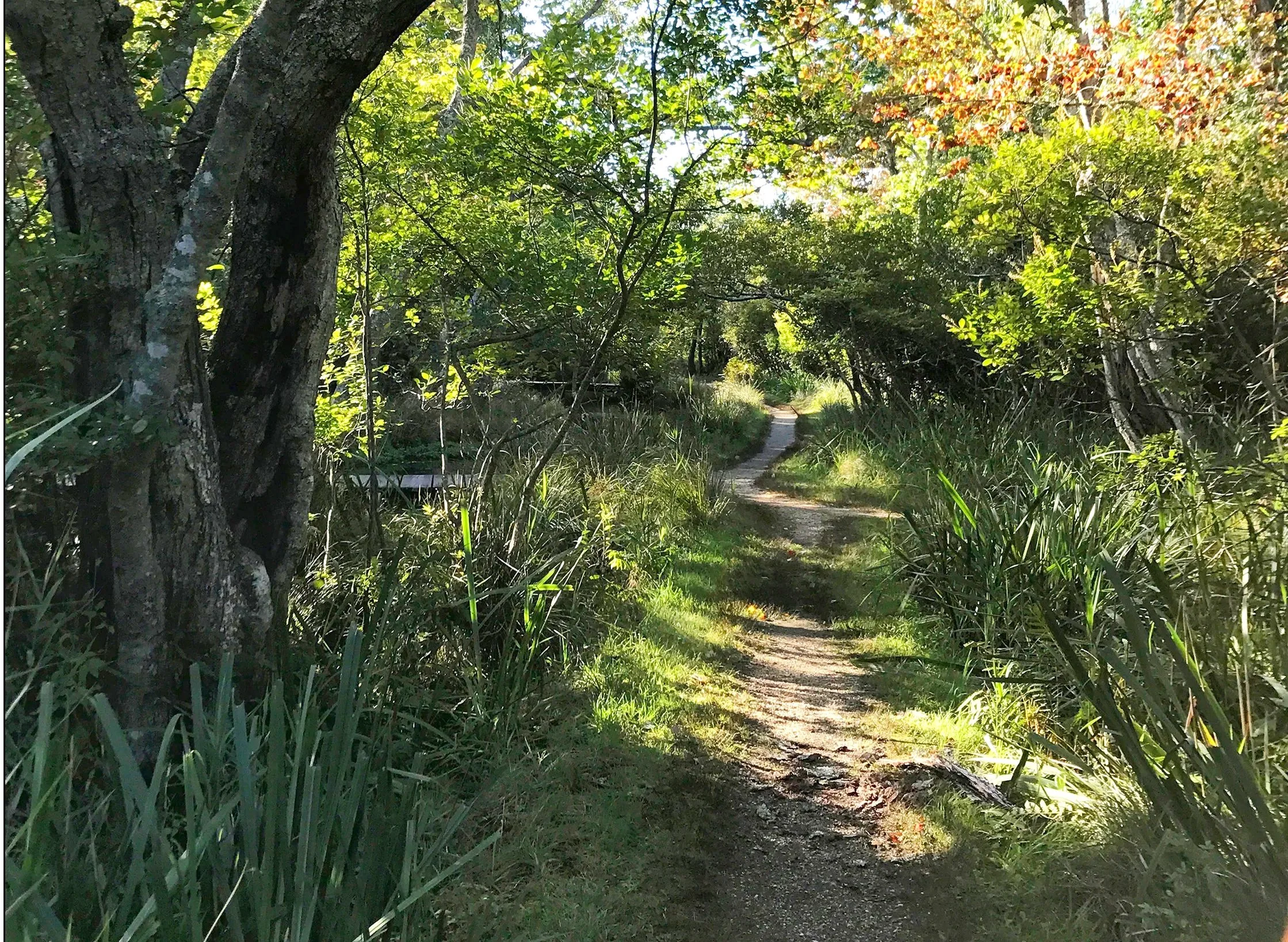
Although the Nature Trail has a purposefully wild and effortless look, the LVIS – in conjunction with the Garden Club of East Hampton – provides for seasonal maintenance of the trails, while East Hampton Village oversees general preservation and protection.
A little history…
The Nature Trail was once a magnificent private Japanese garden. Mrs. Mary Woodhouse, the garden’s originator and keeper at the beginnings of the 20th century, had very romantic notions that included gently arching bright red bridges, a thatched-roof teahouse and her own red boat for getting around named ‘The Swamp Angel’. The smaller garden and surrounds were opened to the public in the 1940’s and the first eight acres were given to the Village in 1951 by Mrs. Woodhouse.
Our resident waterfowl were introduced at this time. The adjacent 16 acres were eventually donated to the Village by the generous neighbors surrounding Mrs. Woodhouse’s garden. Today the Nature Trail totals 23.92 acres and is home to many paths, myriad benches, 25 charming wooden footbridges and a much-beloved shrine to St. Francis.